Living among a city's ghosts

Two minutes before sunset, a man in a top hat appears on the sidewalk in front of me. Surrounding him are a dozen people carrying electric candles and wearing sweatshirts, ballcaps, and lots of plaid. They gaze up at a looming facade of hundred-year-old brick with forbidding windows and spooky vibes. The man in the top hat confirms their suspicions: yes, the place is haunted.
I have stumbled upon a ghost tour, a playful way for tourists to experience the city. The visitors appreciate my quip that this is not something I had ever come across on an evening walk. And I appreciate their interest in Minneapolis.
I may not believe in actual ghosts, but this encounter comes during a time when I’ve regularly been giving myself a different, more sobering kind of ghost tour on my trips around town.
That field of grass? My old employer’s building once stood there. That empty storefront, one of so many downtown? A long-ago colleague and I used to grab burritos there.
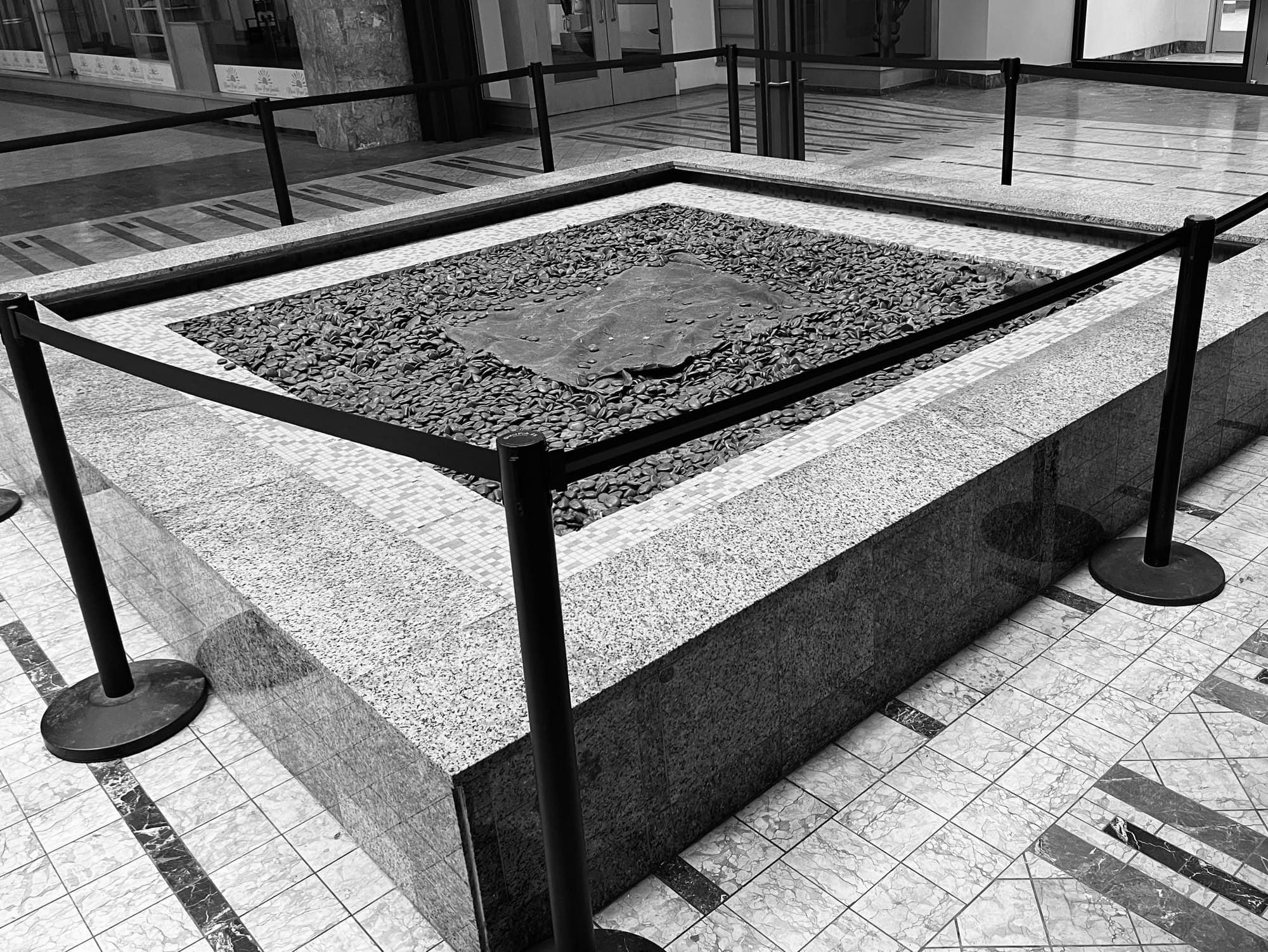
On the next block, inside another anemic mall, the down escalator is back in service after being broken for months; now the up escalator is barricaded. A dry fountain is cordoned off so no one can sit and enjoy the black gravel. (At the mansions of the owners of these former retail palaces, the fountains are probably flowing just fine.)
A few miles to the south, more ghosts. The gym I belonged to for decades closed after the pandemic, and the newer for-profit gym closed last summer. My regular Indian restaurant? Demolished. The kitchen store, the computer store, the bar where I first tasted a mojito: shut down and boarded up.
If you live in a place long enough, it’ll change around you, and you’ll change, and ghosts will be inevitable. When I see young adults talking on a park bench after dark, I know their evening is just getting started – earlier versions of myself chatted into the wee hours, possibly on the same bench. Fresh generations are making this place their own.
Lots of parts of the Twin Cities are still thriving, and some of the immigrant-driven vibrancy is starting to re-emerge post-surge. Minneapolis is not St. Louis or Detroit, cities that have lost two-thirds of their populations since 1950 and are scarred by block after abandoned block.
Still, some of our businesses – and some of our neighbors – won’t be back. They’ll only exist as memories.
And while Minneapolis and its sibling, St. Paul, do pretty well among American cities, there was plenty broken before ICE broke more, plenty of resources bottled up away from places that have needed help for a while. The city's ritual of sweeping an unhoused person’s belongings into a dumpster for the fourth time does nothing to solve the underlying problems. An underclass haunts the daily reality of life here.
“For anyone outside of Minnesota who wants to help, the best thing you can do is vacation in the Twin Cities or hold your next convention here,” the New York Times’ Tom Friedman declared in a recent lengthy column that neglected much of the city’s political spectrum.
Sure, it'd be great if everyone came, but here's a second opinion: The actual best thing out-of-towners can do to help is give money to rent funds so immigrants who haven’t been able to work aren’t forced to live in tents that the city will then throw away.
Maybe for those who have the resources, it’s a both/and – donate some money and come to town. And if visitors want to do a lighthearted ghost tour, they should by all means look up the guy in the top hat.
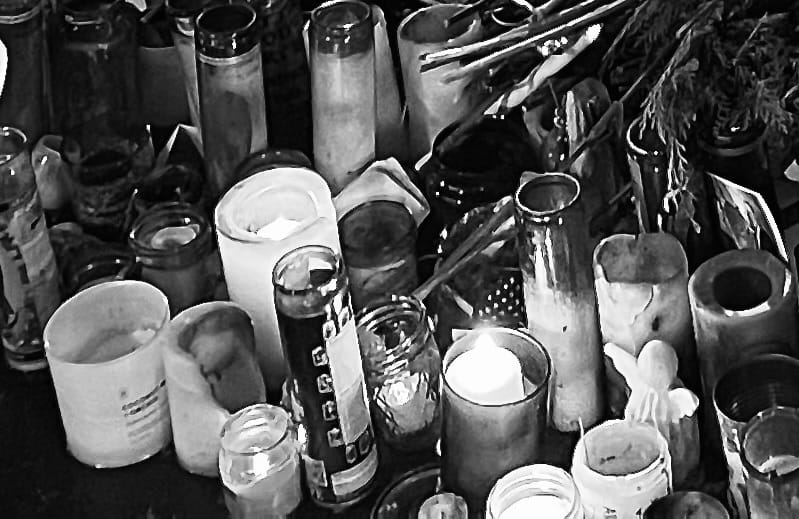
But I’d hope that they’d also make time for a grittier look around, like the pilgrimages to immigrant neighborhoods that took place during the clergy mobilization in January. Or the pastor-led “crucifixion tour” being held this week on Good Friday, in which participants will visit a site of ICE abductions and walk to the George Floyd, Renee Good, and Alex Pretti memorials.
There are many ways to know a place and its ghosts. The best may be to go to where the candles are already lit, honor those who have gone before, and learn from their stories and spirits.